Dolly Parton’s Imagination Library: How a Book-Gifting Idea Grew
Dolly Parton’s Imagination Library began in Tennessee in 1995. Explore how a monthly book-gifting program works, how it expanded and what families should check before enrolling.
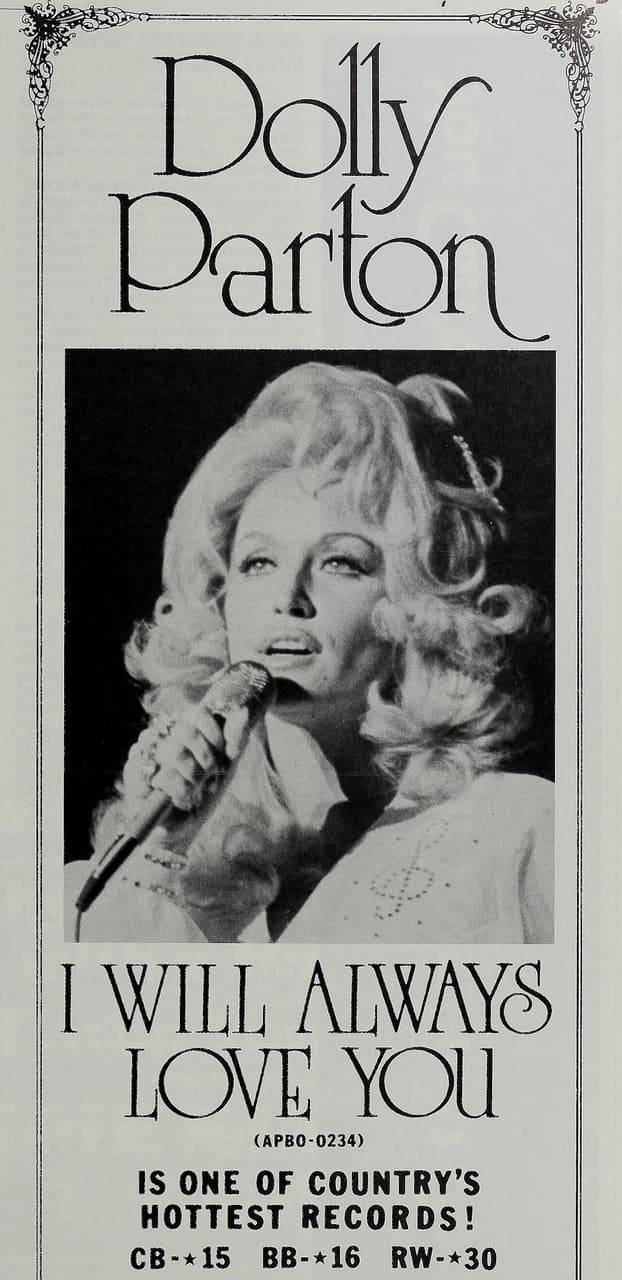
Dolly Parton's public career offers plenty of familiar images: the stage, the songs and the unmistakable presence. Her Imagination Library adds a quieter one: a book arriving for a young child. The program began locally and developed into an international book-gifting effort. Its appeal is easy to understand, but the story becomes more interesting when we look beyond a celebrity name to the repeated, practical work of putting books into children's homes.
The starting point was Sevier County
The Imagination Library launched in 1995 in Sevier County, Tennessee, where Parton grew up. The program's own history describes an initial local effort that was later replicated more widely. It began with a defined place and a clear activity rather than an abstract promise to improve childhood through fame alone.
That local beginning matters because expansion required more than adding names to a mailing list. A repeatable model had to connect book selection, enrollment and distribution. The celebrity's visibility could draw attention, but the usefulness of the program depended on a system that could keep delivering after the announcement had passed.
The central idea is regular book gifting
The program describes itself as mailing free books to children from birth to age five, regardless of family income, where the service is available. Its foundation is repeated access rather than a single ceremonial gift. The book is something a child and caregiver can return to, place on a shelf and include in everyday life.
Regularity is an important part of the idea's appeal. A new arrival can become an occasion to open, look and read together. That observation is not a claim that receiving a book guarantees a particular educational outcome. It explains why a modest physical object, delivered repeatedly, can offer a practical opportunity for families.
Expansion happened in stages
The official history records a national replication effort underway in 2000 and one million books mailed by 2003. It also identifies launches beyond the United States: Canada in 2006, the United Kingdom in 2007, Australia in 2013 and the Republic of Ireland in 2019. These are historical milestones, not a live count of every current participant.
The sequence shows growth across different places over time. It should not be read as proof that every address in those countries is automatically covered. A country-level presence and local availability are different questions. Families need the current eligibility and enrollment information for their location rather than an inference drawn from a historical timeline.
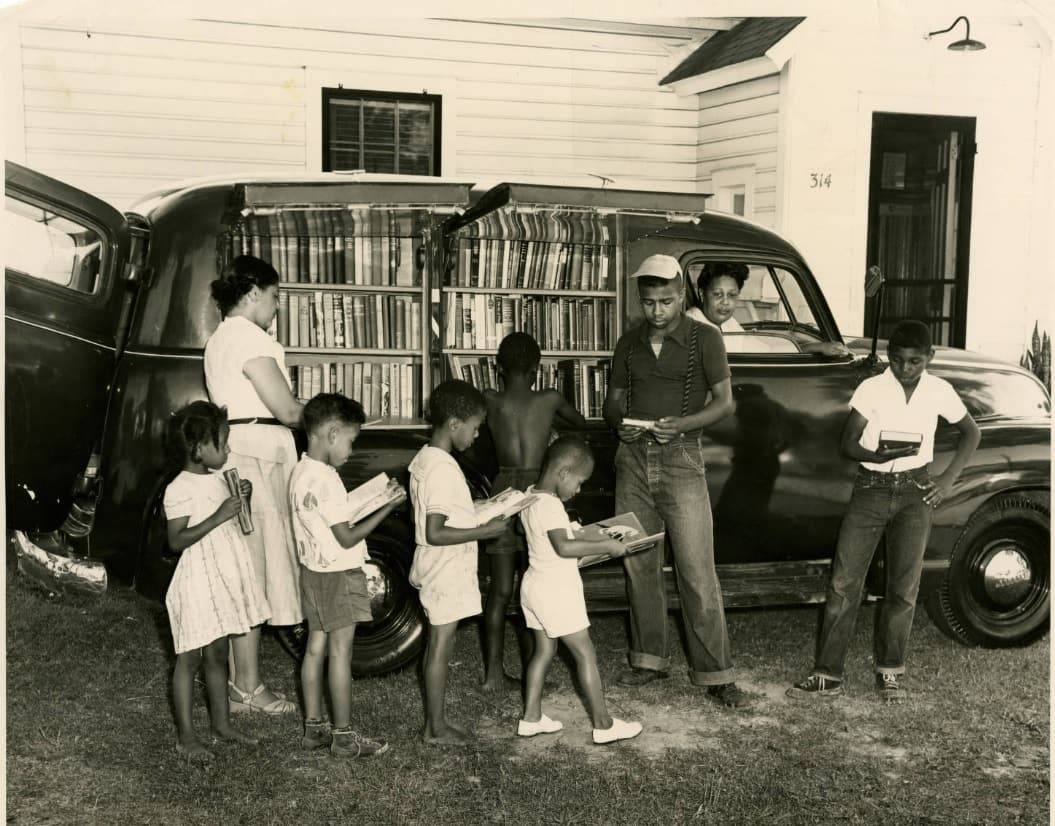
The name attracts attention; the system delivers books
Parton's involvement gives the program recognition that many literacy initiatives would struggle to obtain. Yet the program's published material also describes the organizational relationships behind the distribution model. Books must be selected, prepared and delivered, and local partners play a role in making the program available.
This is a useful way to evaluate celebrity philanthropy generally: identify the actual service and the structure that performs it. A famous name may open a door, but a continuing program needs reliable processes. Appreciating that distinction makes the achievement more concrete rather than reducing it to a flattering anecdote about generosity.
Availability is worth checking directly
Use the official availability page and choose the relevant country or local route. Follow the current instructions for the child's age and address. If a program is not available where you live, avoid assuming an unrelated website offering enrollment is an authorized substitute. The official service is the appropriate starting point for questions about participation.
Do not post a child's personal details in a public comment while seeking help. Use the designated enrollment and contact process. If you move or need to change delivery information, consult the current parent guidance. A general feature can explain the concept, but it cannot confirm a particular household's eligibility or manage its registration.
A book does not need to become a formal lesson
For families receiving books, the most approachable first step may be simply opening one together. Look at the pictures, read a little and respond to what interests the child. A repeated favorite is not a failure to progress through the collection. Familiarity can make shared reading comfortable, while a new book offers another possibility.
Treat these as practical suggestions rather than promises about test scores or future achievement. Children and households differ, and reading together should not become another performance to judge. A book can be part of a short ordinary moment as well as a carefully planned bedtime routine.
The enduring story is access plus repetition
The Imagination Library is interesting because its central activity is easy to describe while its delivery requires sustained effort. A child receives books; behind that simple experience lies an organization, a distribution process and local participation. The contrast between the visible gift and the work behind it gives the program a more substantial story than a celebrity headline alone.
Parton's name makes many people look first. The books explain why they keep looking. Understanding the program through its documented beginnings, actual service and current enrollment process gives readers a useful picture of what the idea became—and gives interested families a sensible place to begin.