How Beaver Dams Change a Landscape
Beaver dams can slow water and create wetland habitat. Explore what ecosystem engineering means, why a dam differs from a lodge and why the local setting matters.
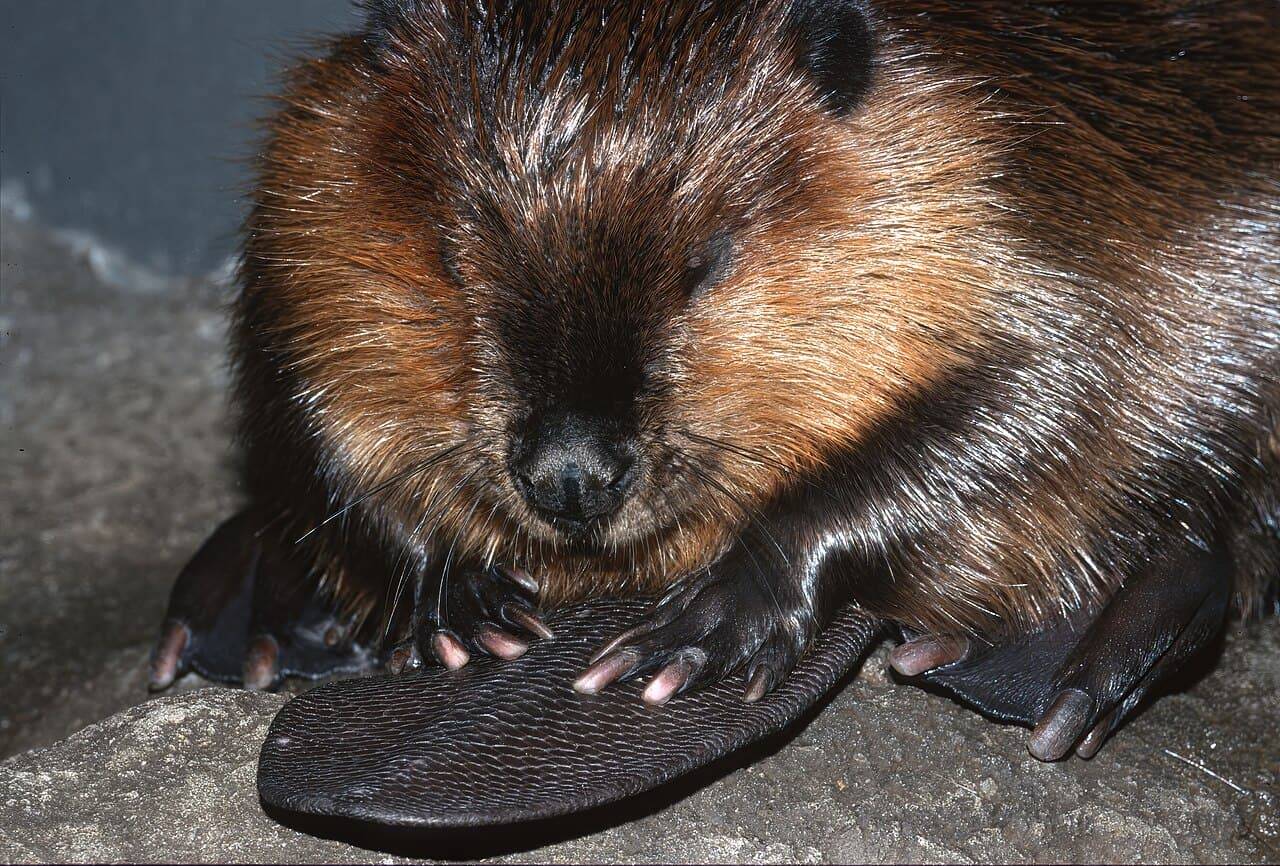
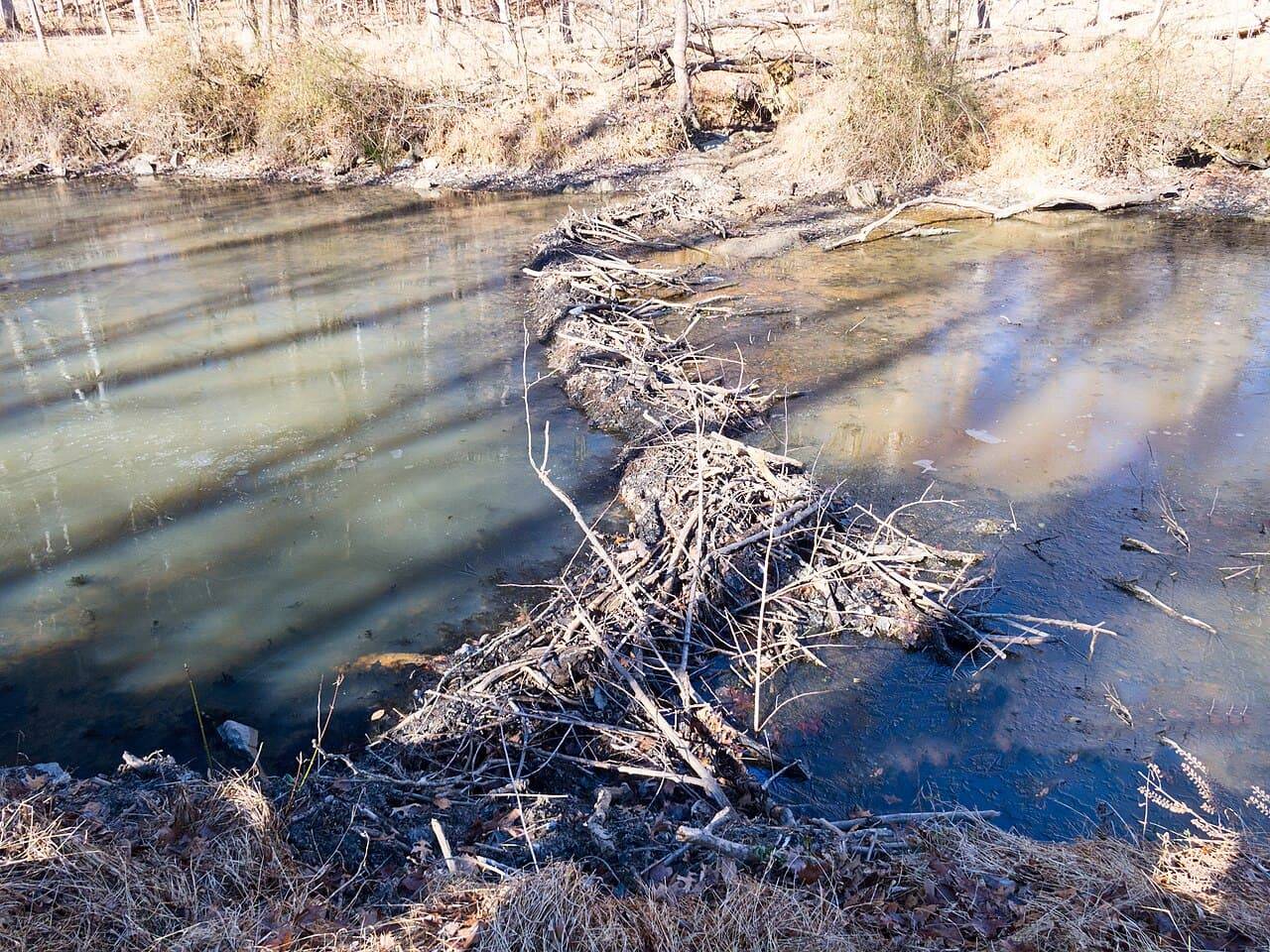
A beaver dam is a reminder that a landscape is shaped by living things as well as geology and weather. Branches, mud and other material can alter the movement of water, creating conditions that affect plants and animals far beyond the builder. That is why beavers are often described as ecosystem engineers. To understand the phrase, look at what changes around a dam rather than judging the structure only as an impressive pile of wood.
The engineering is an ecological effect
The term ecosystem engineer describes an organism whose activities change its physical environment in ways that affect other organisms. In the beaver's case, a dam can slow water and create a pond. The National Park Service describes the new habitats associated with beaver dams and the diverse communities those habitats can support.
The beaver is not following a human wetland-restoration plan. It is carrying out behavior connected to its own life, with wider consequences. Keeping those two levels separate helps make sense of the term. An animal's activity can have substantial ecological effects without the animal intending every benefit that a person later identifies.
A dam is not the same thing as a home
The dam changes water conditions, while a lodge is a structure associated with shelter. In casual conversation, the two are often treated as interchangeable because both can involve conspicuous woody material. A photograph of branches across a stream is therefore not enough to identify every function being performed at that site.
When viewing a landscape, ask what the structure does. Is it holding back water across a channel, or is it a mound within the water? Use a reliable site description if you need an exact identification. Avoid approaching closely or climbing onto a structure to resolve the question; observation should not damage the habitat.
Water movement changes the surrounding space
A flowing channel and a pond provide different conditions. Water may move more slowly behind a dam, and the wetted area can expand into neighboring ground. Plants that tolerate those conditions may become more prominent, while existing vegetation can be affected. A landscape can therefore change in both appearance and habitat structure.
That process is easier to understand as a set of connected changes than as a single before-and-after photograph. The channel, banks, vegetation and surrounding land all matter. A dam's effect depends on its location and condition, so an example from one valley should not be treated as a guaranteed result for every stream.
Other animals can use the resulting habitat
The National Park Service highlights the biological diversity associated with beaver-created ponds. Water, edges, vegetation and sheltered places can create opportunities for different organisms. The important idea is the habitat change, not a promise that every dam will immediately attract the same checklist of birds, insects or amphibians.
If you visit a designated observation site, look at the margins as well as the open water. Notice differences in plant cover and the variety of small spaces available. A quiet visit can reveal more than searching only for the beaver itself. Follow the site's rules and remain on appropriate paths, especially where banks are soft or sensitive.
Trees are food and building material
Beavers are associated with gnawed wood, but their diet is not simply eating whole logs. The National Park Service describes seasonal use of vegetation, including woody material such as bark and twigs as well as non-woody plants. Cut stems and feeding signs can make their presence visible even when the animals remain out of sight.
Do not remove those signs as souvenirs or rearrange material for a photograph. They are part of an active environment. If you want to learn more, compare what you see with an official identification guide or information provided by the land manager. The most conspicuous chewed tree is only one part of a larger pattern of activity.
The local setting creates trade-offs
Water held in one place can be ecologically useful and still create problems for nearby infrastructure or land uses. A road, culvert or building changes the management question. Describing beavers as engineers does not mean every conflict has an automatic answer, and recognizing a conflict does not erase the habitat they create.
If activity threatens property or access, contact the relevant wildlife or land-management authority. Do not dismantle a dam yourself on the basis of a general article. Water movement, animal welfare and local rules all require site-specific attention. The appropriate response depends on conditions that a distant photograph cannot establish.
Watch for the landscape story
At a suitable public site, compare the water upstream and downstream from a visible structure from a safe distance. Look for the extent of ponded water and changes in vegetation. If you return over time, photographs from the same permitted viewpoint may reveal seasonal differences without disturbing the animals.
This is a different kind of animal observation from spotting a dramatic gesture. A beaver may be absent from view while its effects remain everywhere around you. The story is written into the shape of the water and the spaces other organisms use.
Ecosystem engineering becomes a clearer idea when you connect the structure to its surroundings. A beaver dam changes more than a stream's appearance: it can alter water conditions and the opportunities available to other living things. Appreciating that influence means paying attention to the whole site, including the practical questions that come with sharing a landscape.