Jane Goodall’s Gombe Observations and the Work Behind the Story
Jane Goodall’s 1960 observations at Gombe changed the study of chimpanzees. Explore the tool-making discovery and why decades of continued research matter to the story.
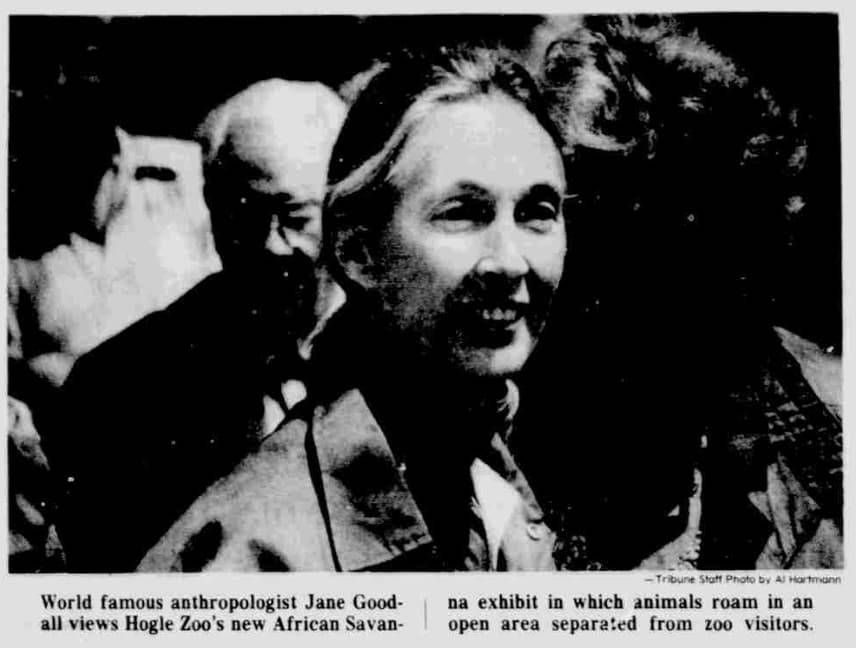
One image dominates many accounts of Jane Goodall's work: a chimpanzee using a plant stem to obtain termites. It is a powerful entry point, but the larger story is about learning to observe, recognizing individuals and building a record that can support new questions over decades. Goodall's Gombe research changed scientific discussion of chimpanzees because the observations were specific, surprising and connected to a continuing study of their lives.
Gombe became a place of sustained observation
Goodall arrived at Gombe, in what is now Tanzania, in 1960. The Jane Goodall Institute's history places that year at the beginning of the research for which she became internationally known. The setting was not simply a backdrop for a single encounter. It became the location of a long-running effort to understand chimpanzee behavior in the wild.
That duration changes the meaning of the work. A brief visit can reveal an event; repeated observation can establish patterns, relationships and change. The distinction helps explain why the Gombe story remains scientifically significant after the most famous discovery has been retold many times.
The termite observation challenged a familiar boundary
The institute's timeline describes Goodall observing chimpanzees, including David Greybeard and Goliath, making tools to extract termites. Stripping leaves from a twig and using the resulting object to reach food made the behavior more than incidental contact with a plant. It provided a concrete challenge to a simple division between human tool makers and other animals.
The force of the observation lies in its detail. An animal, a material, an alteration and a task can all be described. That is more useful than a broad claim that chimpanzees are almost human. The behavior raises questions about learning, development and variation while preserving the fact that chimpanzees have their own lives and evolutionary history.
A discovery creates further questions
Once tool making is documented, the next questions become more precise. Which individuals perform it? Under what conditions? How does it develop, and how does it differ between communities or tasks? A memorable discovery is therefore a beginning as well as a conclusion. It opens a research program rather than finishing the subject.
The same point appears in studies of New Caledonian crow tools. Different species and experimental settings should not be treated as interchangeable, but both examples show why describing an actual behavior is more productive than simply ranking animals by a human idea of cleverness.
Chimpanzee life was more complex than a gentle portrait
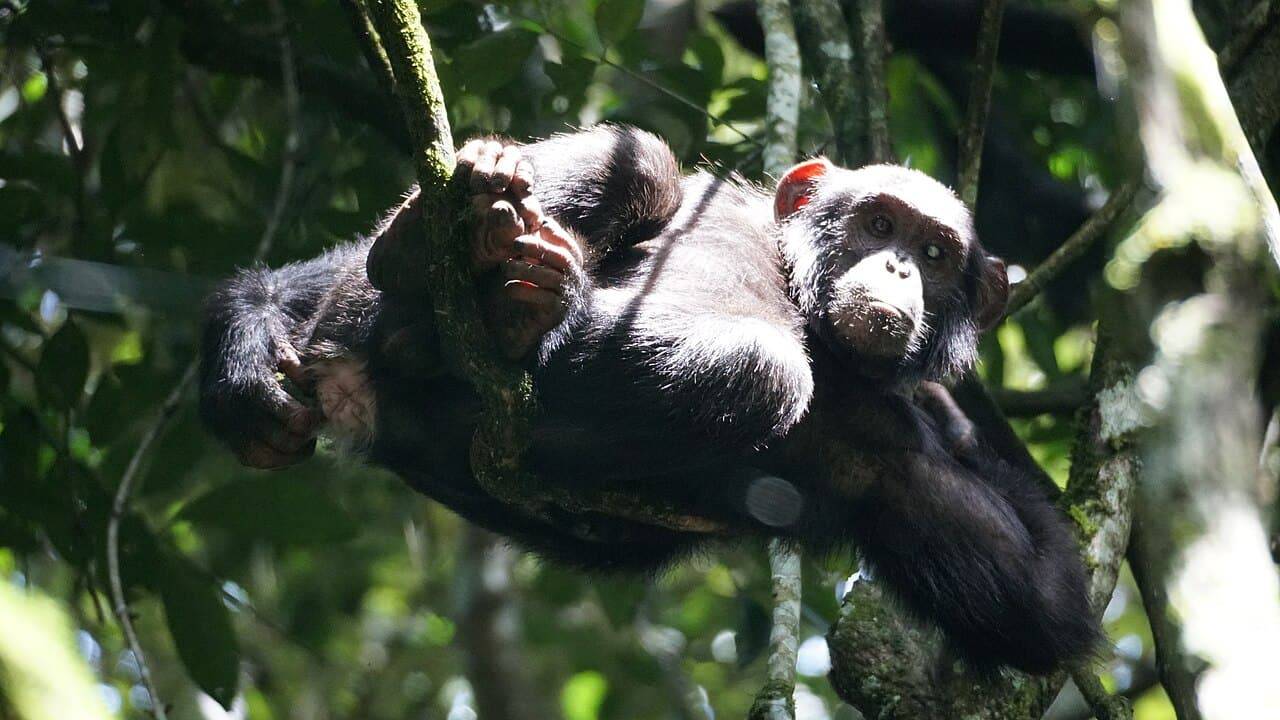
The Gombe record also included observations of hunting and meat eating. These contributed to a picture of chimpanzee societies that could include cooperation, close relationships and conflict. A serious account of the research cannot keep only the appealing moments while excluding behavior that makes a sentimental story less comfortable.
That complexity is part of its value. Animals do not have to serve as moral examples to deserve careful study or conservation. Understanding their behavior means allowing evidence to complicate an attractive first impression. Goodall's public image and the wider research record should be connected without pretending that one photograph contains the whole subject.
Individuals make long-term patterns visible
Recognizing particular animals allows observations made at different times to be connected. A relationship can be followed, a life history can accumulate and an apparent change can be examined in context. The institute describes continuing work that combines behavioral observation with other forms of evidence, including non-invasive samples and mapping technologies.
These methods answer different questions. Watching behavior reveals actions and interactions; genetic information can contribute evidence about relatedness. Combining approaches does not make observation obsolete. Instead, it can reveal relationships that would be difficult to establish from appearances or a brief sequence of encounters alone.
The famous beginning belongs to a larger effort
Goodall is central to the history, but decades of research also depend on many other people and ongoing institutional support. Field observation, data management, local expertise and conservation work do not happen automatically because a founder becomes well known. A continuing record requires people to maintain methods and preserve information across generations of researchers.
This is a useful corrective to the idea that science consists only of isolated moments of inspiration. The surprising observation attracts attention, while the sustained work makes comparisons possible. Both belong in the story. A discovery becomes more valuable when later researchers can ask new questions using a record that has been carefully maintained.
Read the legacy through evidence rather than mythology
Goodall died in 2025, and the institute's account presents her work as a legacy carried forward. Looking back, it is possible to appreciate the public influence without inventing private thoughts, polished dialogue or a dramatic sequence not supported by the record. The actual details already provide a compelling narrative.
Start with the 1960 observations, then look at what continued research made possible. Notice how a simple account of tools expands into questions about social life, development, relationships and conservation. Jane Goodall's importance is not diminished by that wider context. It becomes clearer when the famous moment is placed within the patient, collective work that followed.