Why Dogs Sniff on Walks: The World Behind the Nose
Discover why dogs spend so much of a walk sniffing. Learn how scent changes the experience of a familiar route and how to make room for safe exploration.
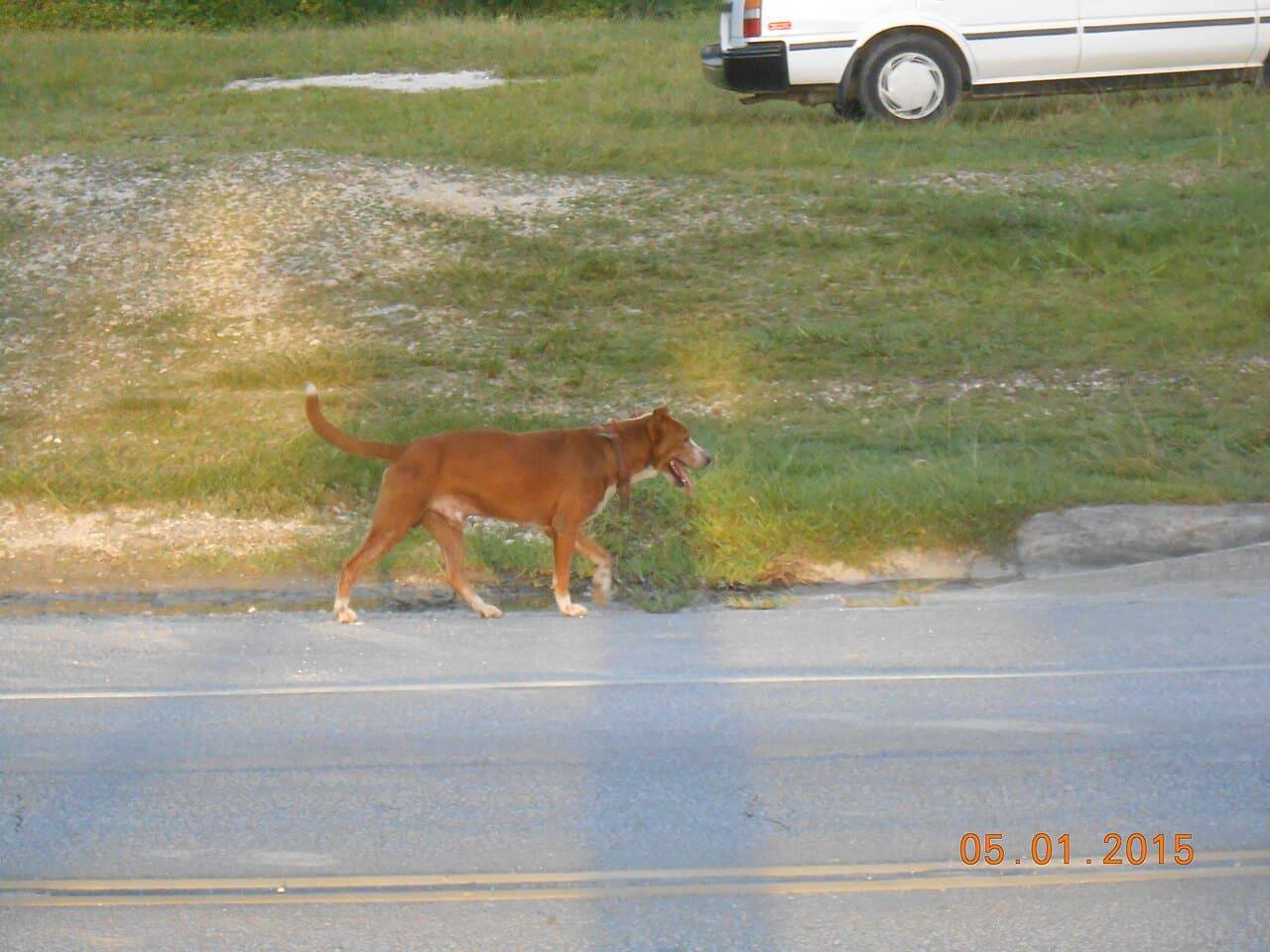
The pavement seems ordinary until your dog stops to investigate one small patch with extraordinary concentration. To you, the walk has paused. To the dog, an important part of the outing may have just begun. Smell provides information that people often overlook, so the distance traveled is only one way to think about a successful walk. Making room for safe sniffing can change how you plan a familiar route.
A familiar street can contain unfamiliar information
People tend to describe a route through its visible landmarks: the corner shop, the gate and the path beside the park. A dog is also encountering an environment of odors. The same patch of grass can be worth investigating again even though its appearance has barely changed. What seems repetitive to the person holding the lead may not be repetitive to the animal.
That difference helps explain why a dog does not always share your interest in reaching the next landmark quickly. An outing can contain both movement and investigation. The American Kennel Club describes sniffing as a natural behavior and includes walks that allow safe exploration among its suggested activities. That does not mean every dog needs the same route or pace.
Sniffing is an activity rather than empty time
When measuring a walk, it is easy to count minutes and distance while ignoring what happens within them. A dog investigating several safe places may be engaged even when the map records little progress. Think about how different a walk feels when you are looking at unfamiliar architecture or searching for a particular bird: speed is not the only source of interest.
The comparison has limits. We cannot translate every scent investigation into a detailed human story or know exactly what information the dog has extracted. Describing a patch as a message board can be a useful metaphor, but it is still a metaphor. Observe the behavior without inventing a precise conversation behind every pause.
Context matters when reading a pause
A dog may lower its nose for several reasons, and the surrounding situation matters. AKC guidance notes that ground sniffing can occur in social or stressful contexts as well as during information gathering. One gesture alone is not a complete account of how the dog feels. Look at the broader behavior and what is happening nearby.
For example, a pause beside a quiet hedge is different from a pause while an unfamiliar dog approaches directly. Avoid forcing a social encounter because you have decided the sniffing is merely a delay. Create appropriate space and seek qualified help if walks repeatedly involve fear, distress or behavior that is difficult to manage safely.
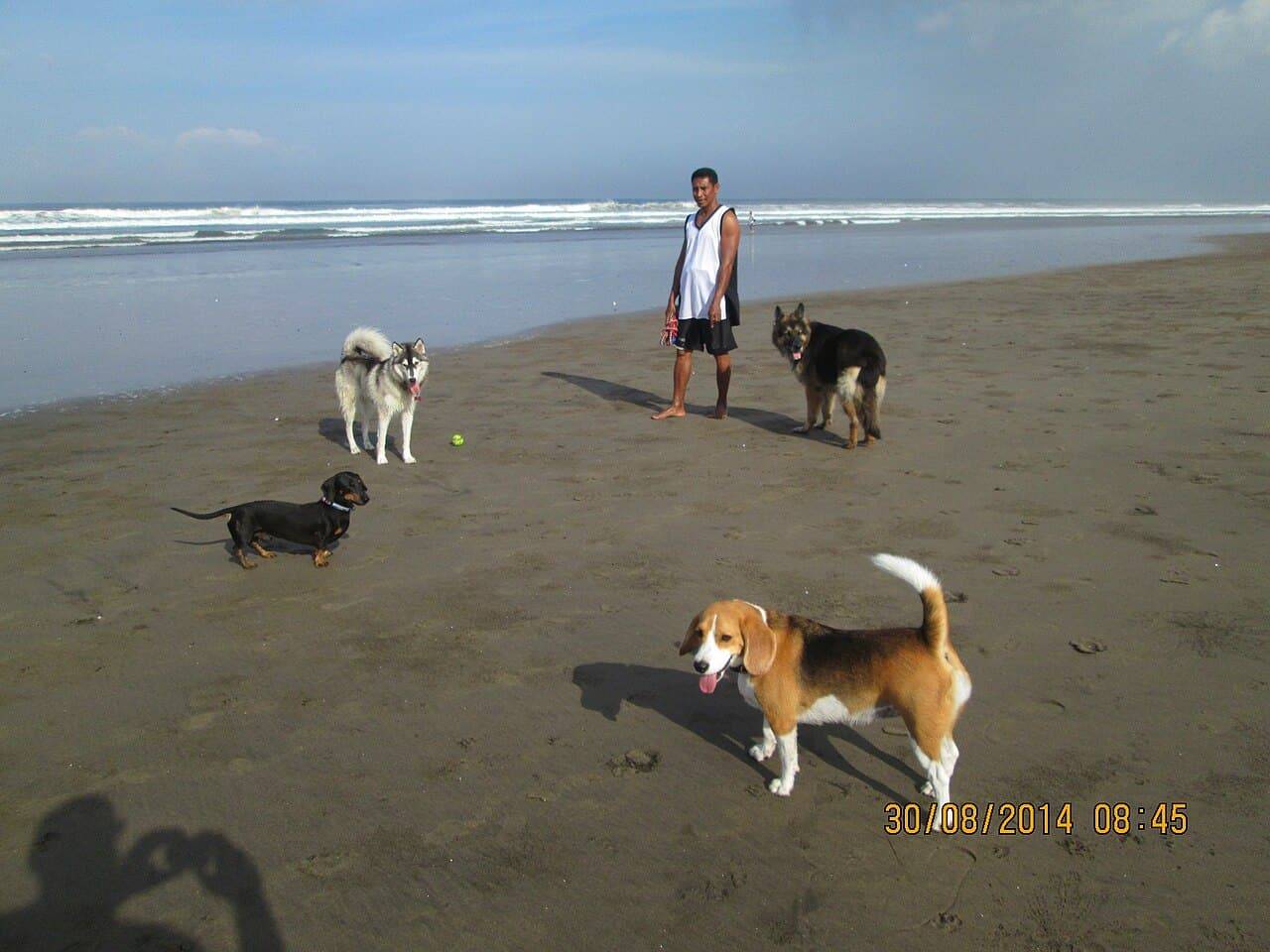
Give exploration a place in the route
Choose suitable areas where stopping does not block a crossing, obstruct other people or take the dog into danger. A quiet stretch of path may offer more flexibility than a narrow pavement beside traffic. Keep control appropriate to the location, follow local rules and respect wildlife, gardens and other people's space.
It can help to plan the walk in sections. One part may involve moving through a busy area, while another allows a slower pace. This is a practical arrangement rather than a rigid training formula. The goal is to make exploration possible where it is safe instead of repeatedly interrupting it in places where you cannot stop.
Allow choice within sensible boundaries
Where conditions permit, notice what your dog chooses to investigate. You may discover that a short, varied area holds more interest than the route you normally hurry through. Safe choice does not mean following the dog into traffic, letting it approach people uninvited or allowing it to eat unidentified material from the ground.
Use equipment and handling suited to the individual dog and setting. A longer lead can create complications in crowded spaces, and equipment alone does not make a location safe. If you are changing the routine for a puppy, an older dog or an animal with a health condition, discuss appropriate activity with a veterinarian or qualified professional.
Keep your own attention on the surroundings
A sniffing pause is not a reason to stop supervising. Watch for approaching cyclists, other dogs, sharp objects and anything the dog might try to pick up. Position yourself so you can respond calmly. A little awareness can prevent the sudden tug that happens when one participant has stopped and the other has continued walking.
You can also learn by observing without intervening constantly. Notice whether the dog returns to particular places, changes pace in quieter areas or seems more comfortable with additional space. These observations can help you describe a concern to a professional, but they should not become a home diagnosis based on a single outing.
Think beyond a human view of the world
Dogs are a familiar reminder that animals do not all experience an environment through the same priorities. A cat's close-range information includes another specialized system, explored in our guide to what whiskers do. Understanding those differences makes ordinary behavior more interesting and can help us arrange more considerate interactions.
You do not have to turn every walk into a lesson in animal biology. Leave a little time where it is safe, notice what your dog attends to and avoid measuring the outing only by how far you traveled. The apparently unremarkable patch of pavement may be one of the most interesting stops on the route.